The world is moving faster than ever. Calendars are crowded, notifications are relentless, and childhood is no longer the slow, meandering stream it once was. Children aged 5 to 11 are in a time of discovery, friendship dramas, big feelings, and invisible growing pains. The constant hum of hurry can feel overwhelming. And while we talk more than ever about academic success, extracurriculars, and future readiness, it’s time we give just as much attention to something quieter but far more crucial: our children’s mental and emotional well-being.
What’s Going on in Their Heads and Hearts?
According to a 2023 report by NHS Digital (UK), one in five children aged 8 to 11 are likely to have a diagnosable mental health condition. Anxiety, loneliness, low self-esteem, and difficulty managing emotions are on the rise — even in younger age groups. And it’s not always about the big issues like bullying or trauma. Sometimes, it’s simply the lack of space to feel, to connect, to be heard. This is where Social-Emotional Learning (SEL) steps in. SEL helps children understand their emotions, build healthy relationships, show empathy, and make responsible choices.
But how do we weave SEL into everyday life in a way that doesn’t feel like a lesson?
One word: books.
Books Aren’t Just Stories — They’re Portals
Books aren’t just paper and ink. They’re portals. When a child reads — or is read to — they’re not just learning language; they’re learning to feel, to notice, to wonder, to ask. And when we read with them, we’re quietly saying: I’m here, and what you feel matters.
A book about a worried bear teaches them it’s okay to feel anxious.
A story of a majestic rhino who finds her voice reminds them they’re not alone.
A tale of sharing cookies with a grumpy friend quietly says: empathy matters.
Shared Reading = Shared Healing
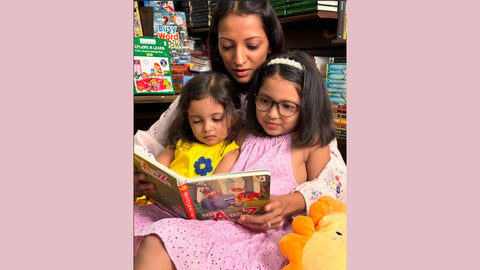
Reading together is more than a bedtime routine. It’s a gentle form of bonding and therapy. It tells your child: You’re not facing this alone. Whether it’s five minutes on a park bench or a story curled up on a sofa, books become a safe space for big conversations in small doses.
They help children name their feelings, understand others’ perspectives, and ask questions that might otherwise go unspoken:
“Why did the boy feel left out?”
“Have you ever felt that way too?”
“Was it hard to say sorry?”
These quiet moments lay the foundation for emotional literacy.
The Gift of a Book Is the Gift of Being Seen
In a world of instant gifts and flashing screens, a book may seem simple — but it’s anything but small.
Gifting a book says:
I thought about what you feel.
I want to know what you love.
I believe your mind and heart matter.
For birthdays, for exam stress, or just because — books can be comfort blankets, mirrors, and doorways to new worlds. Unlike toys that break or apps that update, a well-loved book becomes part of a child’s journey.
So, What Can We Do as Grown-Ups?
Choose books that reflect feelings, anger, joy, jealousy, kindness. Let your child see themselves and others. Make space for reading together, not just to teach, but to listen. Ask, don’t quiz. Let the story guide the conversation. Gift with thought — a book with a note can outlast a gadget any day.
This Raksha Bandhan, Gift a Book
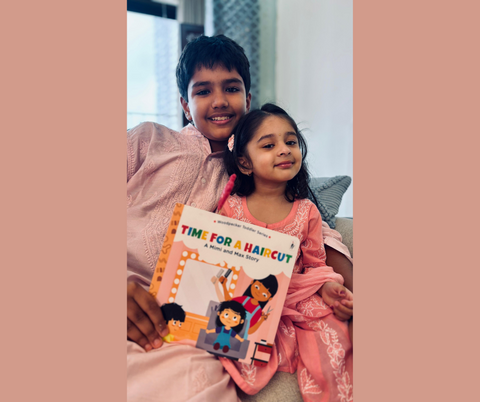
Stories are not just about reading skills; they’re about growing hearts and minds. As the festive season approaches, gift a book this Raksha Bandhan: a bandhan of love, feelings, and well-being
Words by: Ripal Dixit