In a world of instant messages, quick deliveries, and on-demand entertainment, we still expect children to wait their turn, stay calm during delays, and manage big feelings. But before we ask them to be patient, we need to ask ourselves: Have we truly learned to be patient?
Children don’t learn patience from instructions—they understand it by watching us. When adults sigh in traffic, snap at slow Wi-Fi, or fidget in a queue, those moments speak louder than any lecture. Our responses become their script.
Learning patience as an adult begins with self-awareness, which means noticing our triggers, pausing before reacting, and choosing calm, even when it’s uncomfortable. These choices model emotional regulation and create a sense of safety. When children feel emotionally safe, they’re better able to manage frustration and delay.
Patience also grows through connection. It’s not about suppressing energy or forcing stillness. It’s about helping children feel supported in the wait. Instead of saying, “Just be quiet,” try asking, “Would you like to sit with me while we wait?” or “What could help this feel easier?” These small shifts invite collaboration and turn tension into trust.
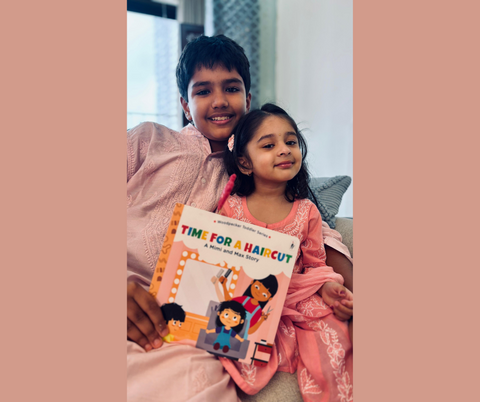
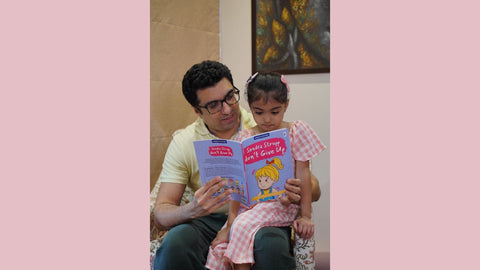
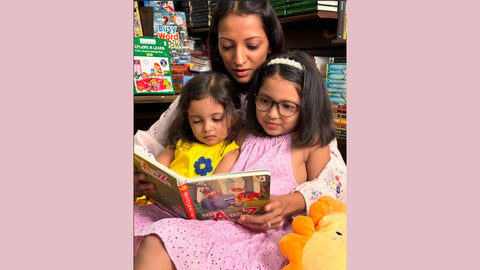
Books are one of the best ways to help kids understand patience. Stories can make abstract emotions like patience feel tangible. A few thoughtful titles that explore waiting include
Waiting doesn’t have to be boring. It can be playful and engaging. Storytelling, “I Spy,” and simple breathing games pass the time and build important developmental skills like focus, creativity, and emotional control. These tools help children practice patience without pressure.
And for adults, these pauses offer something valuable too. Waiting becomes a chance to slow down, connect, and be fully present. For children, waiting can feel endless or uncertain—but with a good book and a little support, they learn to stay calm through it.